
Trading can be exciting and lucrative, but it’s also an emotional tightrope. The constant market fluctuations, quick decisions, and potential gains or losses can pull even the most rational people into a whirlwind of emotions. And here lies the crux: if emotions take over, it’s essential to recognize that trading might not be the right fit. In this post, we’ll explore why emotional stability is crucial in trading and what alternatives exist for those who find it difficult to stay grounded.
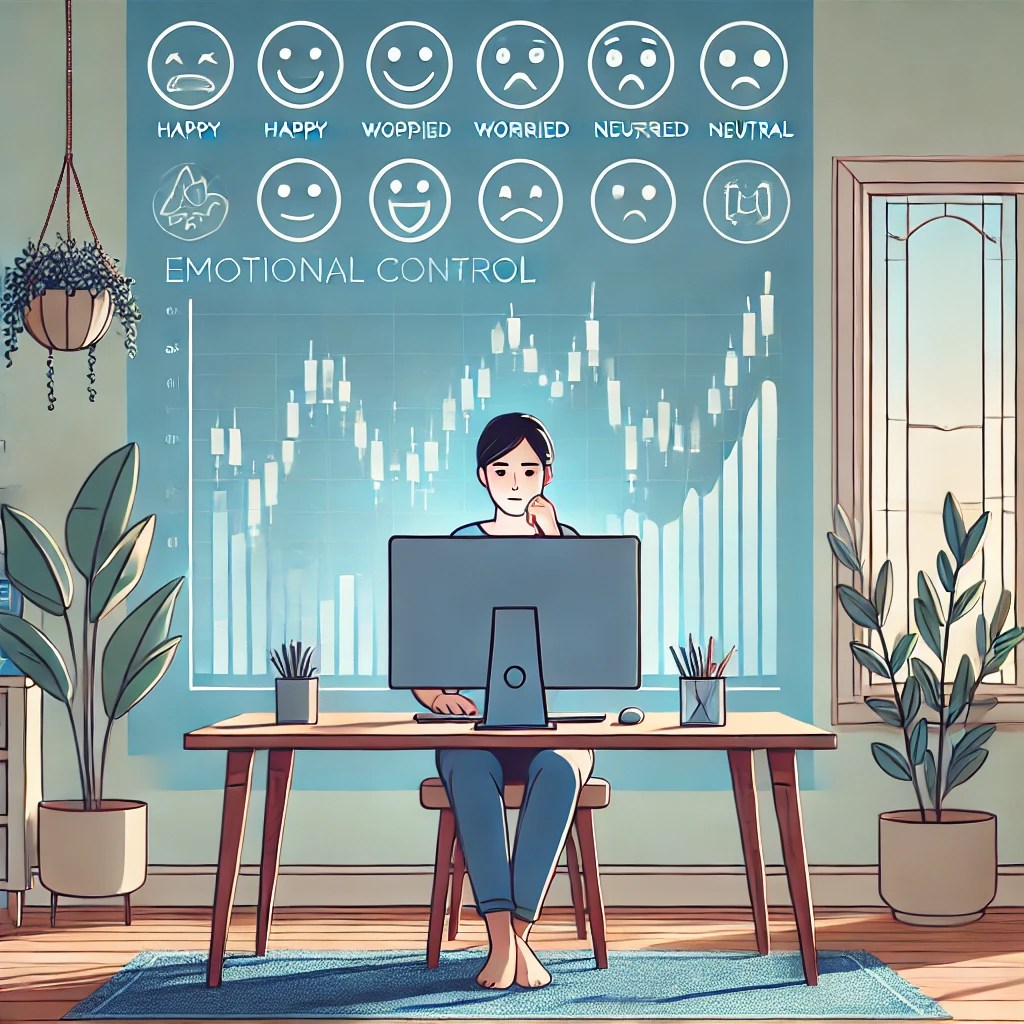
Why Emotional Control is Crucial in Trading
Trading requires making quick decisions – often within minutes or hours. Emotions like fear, greed, or uncertainty can cause traders to make irrational choices that lead to losses over the long term. Here are some of the most common emotions and their effects on trading:
- Greed: The prospect of high profits can tempt traders to take on more risk than initially planned. The result? Often painful losses.
- Fear: Fear of losses can lead traders to exit positions too early or miss out on profitable trades.
- Euphoria: After a series of wins, many traders feel invincible, which often leads to exaggerated and poorly thought-out positions.
- Frustration: Losses or missed opportunities can result in frustration, which in turn drives impulsive actions.
Why Trading is Not Suitable for Emotionally Prone Individuals
Trading requires a cool head and the ability to act quickly and rationally. If you find yourself frequently driven by emotions, trading may do more harm than good. Emotions often lead to impulsive decisions based on fleeting feelings rather than solid analysis. The risk of losing money due to emotional decisions is high.
Want to read the full post, which offers solutions and effective tips for emotional control in trading?
Subscribe to the newsletter to receive all posts, updates, and trusted investment advice.
 CapitalinvestPlatform
Leave a comment